A Comprehensive Travel Guide: Seville, Carmona & Córdoba
This guide details a classic Andalusian circuit, starting and ending in the vibrant capital of Seville, with day trips to the ancient hilltop town of Carmona and the magnificent Moorish city of Córdoba. This journey offers a profound immersion into the heart of southern Spain's history, culture, and cuisine.
Introduction to the Route: The Heart of Andalusia
The triangular route of Seville-Carmona-Córdoba encapsulates the essence of Andalusia. Travelers experience the grandeur of Islamic architecture, the passion of Flamenco, the serenity of white-washed villages, and the rich flavors of local gastronomy. The proximity of these cities makes for efficient travel, with each destination offering a distinct character and a wealth of historical treasures.
Seville: The bustling, passionate capital of Andalusia, home to a colossal Gothic cathedral, a sprawling royal palace, and vibrant neighborhoods.
Carmona: A stunningly preserved historical town perched on a ridge, offering panoramic views of the Andalusian plains and a glimpse into millennia of history.
Córdoba: The city of the Caliphs, famous for its mesmerizing Mezquita-Catedral, a unique architectural marvel that symbolizes the city's layered past.
Part 1: Seville - The Andalusian Capital
Seville is a city that pulses with life. From the haunting sounds of Flamenco echoing in the Barrio Santa Cruz to the majestic architecture that tells tales of its Roman, Moorish, and Christian past, it is a place that captivates all senses.
Top Attractions in Seville
Seville Cathedral and La Giralda: The largest Gothic cathedral in the world, built on the site of a grand mosque. Its bell tower, La Giralda, is the former minaret. Visitors can climb the ramp to the top for breathtaking views of the city. The cathedral also houses the tomb of Christopher Columbus.
Real Alcázar: A stunning royal palace complex with origins in the Moorish period. Its architecture is a masterpiece of Mudéjar style, featuring intricate plasterwork, beautiful tiles (azulejos), and serene gardens. It is still used by the Spanish royal family.
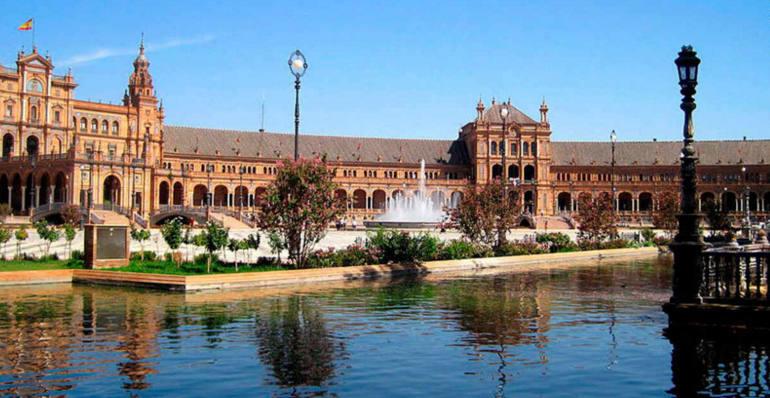
Plaza de España: A monumental square built for the 1929 Ibero-American Exposition. Its semi-circular building, canal, and detailed tile-work representing Spanish provinces are a spectacular sight, best enjoyed by a relaxing boat ride.
Barrio Santa Cruz: The former Jewish quarter, a labyrinth of narrow, winding streets, charming plazas, whitewashed houses adorned with flowers, and hidden courtyards. It is the romantic heart of Seville.
Metropol Parasol (Las Setas): A modern wooden structure claiming to be the world's largest. It offers a striking contrast to the historic center. An elevator ride to the top provides a unique panoramic walkway with superb city views, especially at sunset.
Triana Neighborhood: Cross the Isabel II Bridge to enter Triana, the birthplace of Flamenco and traditional ceramics. Explore its market, ceramic shops, and vibrant streets filled with tapas bars.
Food & Drink in Seville
Seville is a paradise for food lovers. The culture of tapeo (going from bar to bar for tapas) is central to life here.
Must-Try Dishes: Salmorejo (a thicker, creamier version of gazpacho), Espinacas con Garbanzos (spinach with chickpeas), Carrillada (slow-cooked pork or beef cheek), and Pescaíto Frito (mixed fried fish).
Tapas Bars: El Rinconcillo (the city's oldest bar), Bodega Santa Cruz (known for its bustling atmosphere and chalkboard menu), and Eslava (for innovative and award-winning tapas).
Sweets: Torrijas (a Spanish French toast) and Yemas de San Leandro (sweet egg-yolk candies).
Transportation in & out of Seville
Getting There: Seville Airport (SVQ) is well-connected internationally and domestically. A convenient bus service (EA) connects the airport to the city center. The Santa Justa train station is a major hub for high-speed AVE trains from Madrid, Córdoba, and Malaga.
Getting Around: The historic center is best explored on foot. The city also has a good public bus network, a metro line, and a tram. Bicycles and electric scooters are popular for getting around.
Accommodation Tips for Seville
Staying within or near the historic center (El Centro, Santa Cruz, Arenal) is ideal for first-time visitors for walkability. For a more local vibe, consider the Triana or Macarena neighborhoods. Book well in advance, especially during Holy Week and the April Fair.
Part 2: Day Trip to Carmona - The Balcony of Andalusia
Just 30 kilometers east of Seville lies Carmona, a town with over 5,000 years of history. Perched on a high ridge, it offers commanding views of the fertile plains below and provides a quieter, more intimate Andalusian experience.
Top Attractions in Carmona
Puerta de Sevilla: A formidable fortified gate that was part of the ancient Roman and later Moorish city walls. It now houses a interpretation center.
Alcázar del Rey Don Pedro & Parador de Carmona: The ruins of a 14th-century Moorish fortress transformed into a palace by King Pedro I. Today, it houses a luxurious Parador hotel. Even non-guests can visit the courtyard and enjoy the stunning views from its terrace.
Roman Necropolis: An extensive Roman burial site dating from the 1st century BC to the 2nd century AD. It features impressive underground tomb chambers and funeral monuments.
Santa María la Mayor Church: Built on the site of the former main mosque, its Patio de los Naranjos (Court of the Orange Trees) is a remnant of that past. The church itself is a beautiful example of Gothic-Mudéjar architecture.
Wandering the Old Town: The true pleasure of Carmona is getting lost in its whitewashed streets, discovering noble mansions with grand coats of arms, and relaxing in its quiet plazas like Plaza de San Fernando.
Food & Drink in Carmona
Carmona offers traditional countryside cuisine. Try local specialties like
espinacas cameronas (spinach with chickpeas and cod), alboronía (a vegetable stew), and the celebrated mantecados de Carmona (a type of crumbly shortbread). Enjoy a meal with a view at the Parador's restaurant or find a traditional tavern in the town center.
Transportation: Seville to Carmona
The most flexible way to reach Carmona is by car, a 30-40 minute drive via the A-4 motorway. Alternatively, regular bus services run from Seville's Plaza de Armas bus station to Carmona, taking about 45 minutes. The bus is economical and reliable for a day trip.
Part 3: Day Trip to Córdoba - The City of the Caliphs
Córdoba was once the capital of the Islamic Caliphate in Al-Andalus and one of the most advanced cities in the world. Its legacy is palpable in its world-famous monument and its charming Jewish quarter.
Top Attractions in Córdoba
Mezquita-Catedral de Córdoba (Mosque-Cathedral): This is Córdoba's crown jewel. Its vast interior is a forest of over 850 red and white striped double arches, creating a mesmerizing visual effect. At its center sits a Renaissance cathedral, making it a unique architectural palimpsest. Booking tickets online in advance is highly recommended.
Judería (Jewish Quarter): A labyrinthine neighborhood of narrow, flower-filled streets surrounding the Mezquita. Key sites include the Synagogue (one of only three remaining medieval synagogues in Spain) and the Zoco municipal craft market.
Alcázar de los Reyes Cristianos (Alcázar of the Christian Monarchs): A fortress-palace with beautiful gardens, Roman mosaics, and towers offering great views. It was where Ferdinand and Isabella planned the Reconquista of Granada.
Roman Bridge and Calahorra Tower: The iconic 16-arched bridge spanning the Guadalquivir River, offering a classic view of the Mezquita. At its southern end is the Calahorra Tower, which houses a museum on Al-Andalus.
Patios de Córdoba: The city is famous for its beautiful flower-filled courtyards. While many are private, some open to the public during the annual Festival de los Patios in May. The Palacio de Viana also displays twelve magnificent patios year-round.
Food & Drink in Córdoba
Córdoban cuisine reflects its interior location with hearty dishes.
Must-Try Dishes: Salmorejo Cordobés (the original version of this cold tomato soup), Rabo de Toro (oxtail stew), Flamenquín (a roll of ham and pork, breaded and fried).
Wine: Try the Montilla-Moriles wines, similar to sherry but produced without fortification.
Dining Areas: The Judería has many tourist-oriented restaurants, while the neighborhoods around Plaza de la Corredera offer more local options.
Transportation: Seville to Córdoba
The high-speed AVE train is by far the best way to travel between Seville and Córdoba. The journey takes approximately 45 minutes from Seville's Santa Justa station to Córdoba's central station, which is a pleasant 20-minute walk from the Mezquita. Buses are also available and are cheaper but take around 1 hour 45 minutes.
Practical Travel Information & Cultural Insights
Suggested Itinerary
Day 1-3: Explore Seville. Dedicate one full day to the Cathedral/Alcázar/Santa Cruz area and another to Triana, Plaza de España, and Metropol Parasol.
Day 4: Day trip to Carmona. Enjoy a relaxed pace, exploring the historic sites and enjoying a long lunch with a view.
Day 5: Day trip to Córdoba. Take an early train, spend the day at the Mezquita-Catedral and Judería, and return to Seville in the evening.
Day 6: Final day in Seville for any missed sights, shopping, or simply soaking up the atmosphere.
Best Time to Visit
Spring (March-May) and Autumn (September-October) offer the most pleasant weather with warm temperatures and plenty of sunshine. This avoids the intense heat of July and August. Be aware that Semana Santa (Holy Week) and the Feria de Abril (April Fair) in Seville are spectacular but extremely busy; booking far in advance is essential.
Cultural Etiquette & Insights
Siesta: Many smaller shops and businesses may close between 2:00 PM and 5:00 PM.
Meal Times: Lunch is typically from 2:00 PM to 4:00 PM, and dinner is very late, often starting from 9:00 PM or even 10:00 PM.
Tapeo: Embrace the local culture. It's common to stand at the bar, order a drink and a small tapa, then move on to the next place.
Religious Sites: Dress respectfully when visiting cathedrals and churches; covering shoulders and knees is appreciated.
"Salud" and "Gracias": A simple "salud" (bless you) or "gracias" (thank you) goes a long way.
Accommodation Strategy
The most practical approach is to use Seville as a base for the entire trip. This avoids the hassle of moving hotels with luggage. Both Carmona and Córdoba are easily accessible as day trips from Seville. Choose accommodation in Seville that is close to a major transport link like Santa Justa train station or a central bus stop for convenience.
Conclusion
The journey through Seville, Carmona, and Córdoba offers an unparalleled dive into the soul of Andalusia. It's a route defined by architectural wonders, deep history, warm hospitality, and unforgettable flavors. From the echoing call to prayer within the Mezquita to the passionate strum of a Flamenco guitar in a Seville tabanco, this circuit leaves travelers with lasting memories of Spain's most evocative region.